

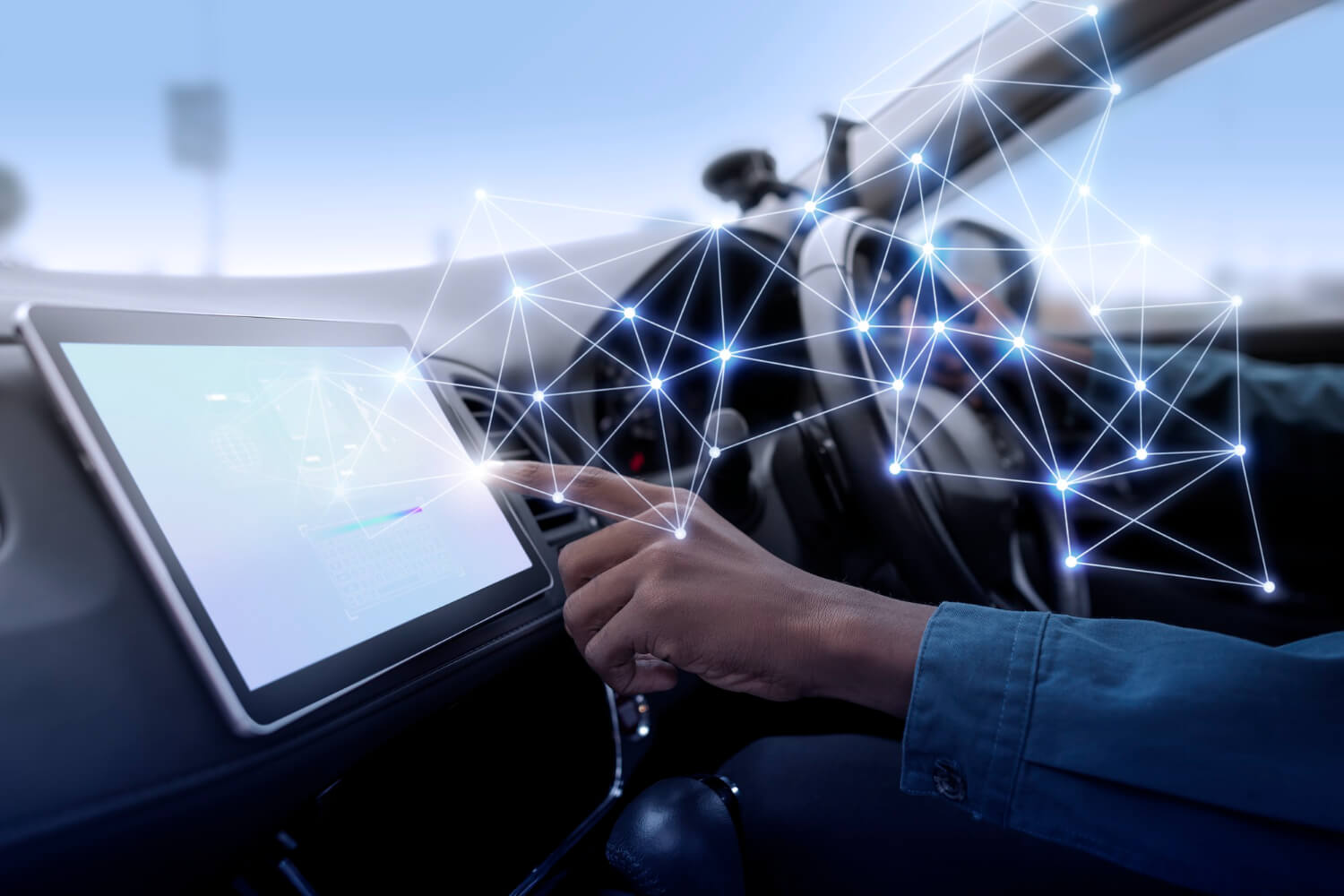
Self-driving cars, also known as autonomous vehicles, represent one of the most advanced developments in modern transportation. These vehicles are designed to operate without human intervention by using a powerful combination of sensors, software, and artificial intelligence. While the idea once seemed futuristic, it is now becoming a reality on roads around the world.
At the center of this innovation is self driving cars AI, which enables vehicles to analyze their surroundings, make decisions, and drive safely. This article explains the core technologies behind self-driving cars in a simple and user-friendly way.
What Are Self-Driving Cars?
Self-driving cars are vehicles that can sense their environment, make decisions, and drive safely without human control. They rely on a combination of hardware (physical components) and software (programs and algorithms) to function properly.At the heart of this system is self driving cars AI, which acts as the brain of the vehicle. It processes large amounts of data in real time and decides how the car should move.
1. Sensors: The Eyes and Ears of the Car
Autonomous vehicles use multiple sensors to collect real-time data from their surroundings. These include:
- LiDAR (Light Detection and Ranging): Creates a 3D map using laser beams
- Radar: Detects objects and measures speed, especially in poor weather
- Cameras: Identify traffic signals, pedestrians, and road signs
- Ultrasonic Sensors: Help in close-range detection, like parking
Together, these sensors provide a complete 360-degree view of the environment.
2. Sensor Fusion Technology
Instead of relying on a single sensor, self-driving cars combine data from all sensors through a process called sensor fusion. This improves accuracy and reduces errors. For example, a camera may identify a traffic light, while LiDAR determines its distance and radar tracks movement. Combining all this data helps the system make better decisions.
3. Artificial Intelligence (AI): The Brain of the Car
Artificial Intelligence is the most critical component of autonomous driving. Self driving cars AI uses advanced techniques like machine learning and deep learning to process large amounts of data in real time.
It enables the car to:
- Recognize objects such as vehicles, pedestrians, and traffic signs
- Predict the behavior of nearby road users
- Understand complex driving situations like intersections
For instance, if a pedestrian is standing near a crossing, the AI predicts whether they might cross and prepares the car to slow down.
Another key feature is continuous learning. The system improves over time by learning from millions of miles of driving data, making it more accurate and reliable.
4. Mapping and Localization
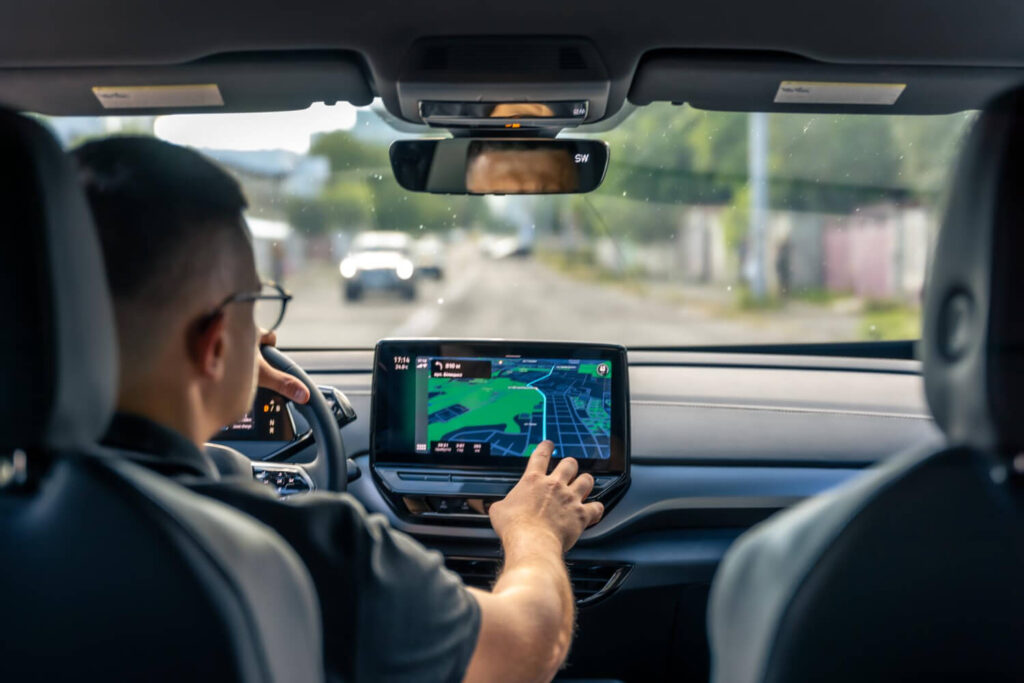
Self-driving cars use highly detailed HD maps that include lane markings, road conditions, traffic signals, and more. These maps are far more precise than standard GPS maps.
Localization ensures that the car knows its exact position on the road, often within a few centimeters. It combines GPS data with sensor inputs to achieve this level of accuracy.
For example, on a multi-lane road, the vehicle can identify exactly which lane it is in, ensuring safe navigation.
5. Decision-Making and Path Planning
Once the car understands its surroundings, it needs to decide what to do next. This is managed by self driving cars AI, which handles behavior planning, path planning, and motion control. First, the system decides the action, such as whether to stop, turn, or overtake another vehicle. Then, it chooses the safest route to carry out that action. Finally, it controls the car’s movements by adjusting speed, steering, and braking smoothly. For example, if a car ahead suddenly slows down, the system quickly decides whether to brake or change lanes and performs the action instantly.
Real-World Example
Leading companies are actively developing and testing self-driving technology:
- Waymo uses LiDAR, radar, and cameras to create a detailed 3D environment and operates autonomous taxi services in select cities.
- Tesla, Inc. relies mainly on cameras and advanced AI systems, using real-world data from its vehicles to improve performance.
For example, a Waymo taxi can pick up passengers, navigate through traffic, obey signals, and reach the destination without any human driver. Tesla vehicles, on the other hand, assist drivers with features like automatic steering and braking.
More related topics: ChatGPT: How It Works, Benefits, and Free Access in India
Challenges in Self-Driving Technology
Despite rapid progress, self-driving cars still face key challenges. Weather conditions like rain, fog, and snow can reduce sensor accuracy, while unpredictable human behavior makes real-world driving complex. Ethical decision-making in critical situations remains difficult for AI systems. In addition, high costs limit accessibility, and varying legal regulations create uncertainty. Cybersecurity is another concern, as connected systems may be vulnerable to hacking. These challenges highlight the need for further development before full adoption.
Conclusion
Self-driving cars are transforming the future of transportation through the integration of sensors, mapping systems, and advanced self driving cars AI. These vehicles can sense their environment, analyze data, make decisions, and act—all within milliseconds.
Although challenges still exist, continuous advancements in AI and technology are making self-driving cars safer and more reliable. As innovation continues, autonomous vehicles are expected to play a major role in shaping smarter and more efficient transportation systems worldwide.